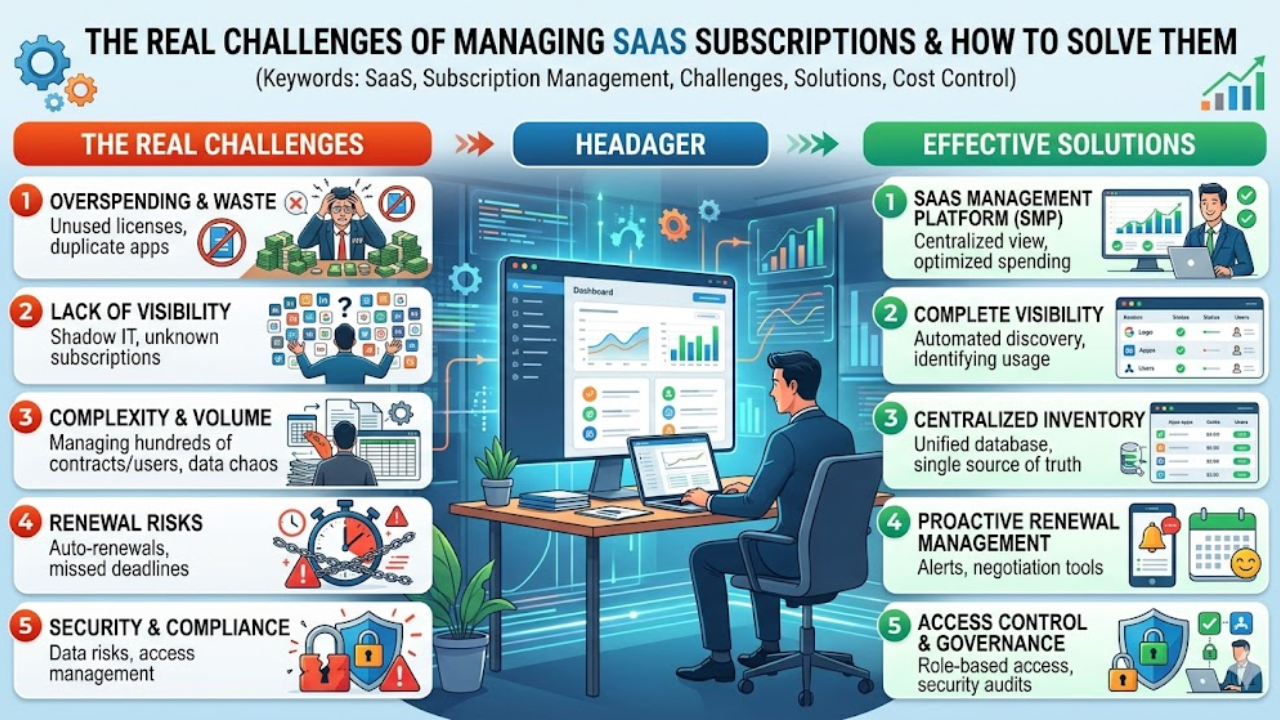

Subscription-based services have become a core part of modern business operations. From analytics tools to communication platforms, companies rely on multiple software solutions to run efficiently. While this model offers flexibility and scalability, it also introduces layers of complexity that many teams underestimate.
As adoption grows, the role of saas subscription management software becomes more relevant than ever. This article explores the real challenges behind subscription oversight and presents practical ways to address them with clarity and control.
Lack of Clear Visibility Across Subscriptions
A major issue in subscription oversight is the absence of a unified view. Many organizations operate across departments, each with its own tools and budgets. This scattered structure leads to poor tracking of active subscriptions, renewal dates, and actual usage.
Without a centralized system, finance and operations teams often struggle to answer basic questions. Which tools add value? Which ones sit unused? This lack of clarity results in unnecessary costs and missed opportunities for optimization.
A practical solution involves the use of centralized dashboards that aggregate subscription data. These systems offer real-time insights into usage patterns, contract terms, and spending trends. With clear visibility, teams gain the ability to make informed decisions and eliminate waste.
Hidden Costs and Budget Overruns
Subscription models often appear cost-effective at first glance. However, hidden charges such as overage fees, tier upgrades, or unused licenses can inflate expenses over time. These costs rarely surface until budget reviews reveal discrepancies.
Finance teams face difficulty when invoices vary each cycle. Predictability becomes a challenge, especially when usage-based pricing enters the equation. Without proper controls, expenses can exceed expectations.
To address this, organizations benefit from automated tracking tools that flag anomalies and monitor billing changes. Alerts for unusual charges and usage spikes allow teams to act before costs escalate. Clear reporting also supports better budget planning and financial discipline.
Renewal Chaos and Missed Deadlines
Renewal management often creates unnecessary stress. Contracts renew automatically in many cases, which can lock organizations into services that no longer fit current needs. Missed cancellation windows can result in extended commitments and avoidable expenses.
Manual tracking through spreadsheets or calendars rarely provides the accuracy required for multiple subscriptions. As the number of tools grows, the risk of oversight increases.
A structured renewal calendar solves this problem. Automated reminders and contract summaries ensure that decision-makers receive timely alerts before renewal dates. This approach allows teams to review value, negotiate terms, or cancel services without pressure.
Difficulty in Scaling Subscription Strategy
As organizations grow, subscription management becomes more complex. New tools enter the ecosystem, pricing models evolve, and usage patterns shift. Without a scalable system, oversight becomes reactive rather than proactive.
A modern approach includes adaptable systems that grow alongside business needs. Advanced saas subscription management software enables dynamic tracking of usage, cost allocation, and performance metrics. These tools support strategic planning and ensure that subscription portfolios remain efficient at every stage of growth.
Scalability also depends on clear policies. Defined approval processes, usage guidelines, and periodic audits help maintain control as operations expand.
Effective subscription management requires more than simple tracking. It demands visibility, coordination, and strategic oversight across the entire organization. Challenges such as hidden costs, renewal confusion, and poor alignment can disrupt efficiency if left unchecked. A structured approach supported by the right tools can transform these challenges into opportunities. Clear insights, timely decisions, and scalable systems ensure that every subscription contributes real value. With the right foundation in place, organizations can maintain control and achieve sustainable growth.