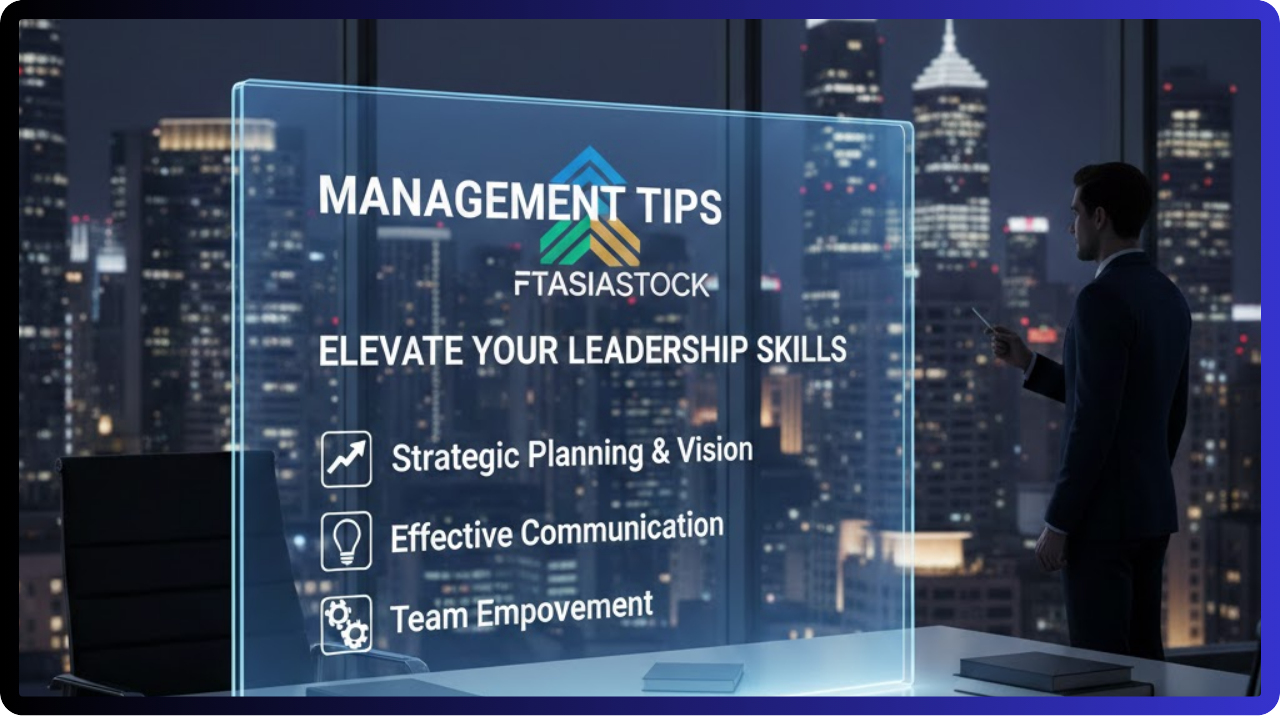

Effective management is essential for any organization aiming for success. Management tips Ftasiastock focus on strategies that enhance leadership effectiveness, boost team productivity, and foster a positive work environment. Managers who adopt these practices can improve communication, motivate employees, and streamline workflows to achieve organizational goals. This article provides actionable insights, exploring practical methods that managers can implement immediately. Whether you lead a small team or a large organization, understanding these tips is key to long-term success. It also helps managers develop stronger decision-making skills and anticipate challenges before they arise. Implementing these tips ensures sustainable growth while maintaining employee satisfaction and engagement. Applying these strategies consistently improves both leadership effectiveness and team performance.
Who is Ftasiastock?
Ftasiastock is a trusted platform that provides insights and guidance for business professionals and managers. Known for its research-driven approach, it offers strategies to enhance leadership, team performance, and organizational efficiency. The recommendations provided by Ftasiastock focus on practical, results-oriented management methods suitable for all types of organizations. By following management tips Ftasiastock, managers can develop skills that improve employee engagement and overall productivity. Its guidance emphasizes continuous improvement and the adoption of modern leadership techniques. Ftasiastock also provides examples of best practices from top-performing organizations to inspire leaders. Many managers rely on Ftasiastock as a reference for adapting strategies in rapidly changing markets. Its insights cover leadership, productivity, and organizational development, making it a valuable resource for modern managers.
Setting Clear Goals
Clear goals are the foundation of effective management. Management tips Ftasiastock stress the importance of defining specific, measurable, and realistic objectives. Managers who establish clear goals help teams understand expectations and maintain focus. Proper goal-setting ensures that employees align their work with organizational priorities and long-term objectives. It also allows managers to monitor progress and adjust strategies when necessary. Additionally, clear goals help improve employee motivation by giving them a sense of purpose and direction. Well-defined objectives also reduce confusion and enhance overall team efficiency. Setting goals provides a roadmap for success and encourages accountability across the organization. Clear goals also make it easier to recognize achievements and celebrate milestones effectively.
Importance of SMART Goals
Using SMART (Specific, Measurable, Achievable, Relevant, Time-bound) goals ensures clarity and accountability. Ftasiastock emphasizes that teams perform best when they know exactly what is expected and have clear milestones to achieve. This approach promotes motivation and consistent productivity across projects. SMART goals also enable managers to measure success accurately and identify areas needing improvement. Teams with SMART goals tend to collaborate more effectively, as everyone understands their role in the project. Managers can also adjust strategies proactively if milestones are not met on time. SMART goals create clarity, reduce stress, and enhance overall project outcomes. They also encourage employees to take ownership of their tasks and responsibilities.
Effective Communication
Communication is a critical pillar of successful management. Management tips Ftasiastock highlight that clear and consistent communication fosters collaboration, reduces misunderstandings, and strengthens trust between managers and employees. Good communication ensures that all team members are aware of priorities and expectations. Managers who actively listen and respond to concerns create a supportive environment conducive to innovation. Strong communication skills also help prevent conflicts and ensure that feedback is constructive. Transparent communication contributes to employee engagement and boosts confidence in leadership decisions. Clear communication also improves workflow and strengthens relationships within teams. Effective communication creates a culture where feedback is welcomed and acted upon promptly.
Building Trust Through Communication
Effective communication is not just about sharing information but also about listening. Ftasiastock recommends creating channels for feedback, encouraging transparency, and addressing conflicts promptly. This strengthens trust and ensures that team members feel valued and heard. Managers who prioritize open dialogue build credibility and promote collaboration. Clear communication also allows teams to solve problems faster and align with organizational objectives. Regular communication creates a culture of accountability and continuous improvement. Teams that trust their managers are more motivated, engaged, and productive. Trust through communication encourages employees to take initiative and innovate confidently.
Time Management and Efficiency
Managing time effectively is essential for productivity. Management tips Ftasiastock recommend prioritizing tasks according to urgency and impact. Proper delegation allows managers to utilize team strengths and prevent bottlenecks. Maintaining schedules and deadlines ensures projects are completed on time and resources are used efficiently. Effective time management also reduces stress and enhances employee satisfaction. Managers who master time management can respond better to unexpected challenges. Prioritization also improves team focus and overall project outcomes. Efficient time use allows managers to focus on strategic objectives and long-term goals. Effective time management also encourages teams to stay organized and meet targets consistently.
Strategies to Improve Time Management
Ftasiastock suggests planning daily priorities, monitoring progress, and reducing distractions to increase efficiency. Managers who master time management can focus on high-value tasks and ensure that their teams remain productive and motivated. Scheduling breaks and encouraging downtime prevents burnout and enhances productivity. Time management strategies also improve communication by ensuring tasks are delegated clearly. Regular tracking of progress keeps both managers and teams accountable and focused on objectives. By reviewing time allocation, managers can optimize workflows and improve team performance. Prioritizing tasks ensures critical objectives are met on time and with quality outcomes.
Encouraging Continuous Learning
Continuous learning is crucial for long-term organizational success. Management tips Ftasiastock emphasize the importance of professional development for both managers and employees. Regular training and skill-building enhance adaptability and innovation. Managers who invest in learning opportunities help employees grow and contribute more effectively. This approach also ensures the organization remains competitive in a rapidly evolving business environment. Continuous learning also promotes employee satisfaction by offering growth opportunities. Knowledgeable teams are better equipped to innovate and solve complex challenges. Learning opportunities foster loyalty and enhance team cohesion. Continuous learning allows managers to anticipate future trends and prepare teams for upcoming challenges.
Promoting Skill Development
Ftasiastock recommends creating learning opportunities through workshops, training sessions, and knowledge-sharing. Managers who encourage skill development foster a culture of growth, resilience, and high performance. Supporting skill development also improves employee retention and engagement. Learning initiatives help prepare teams for future challenges and enhance overall business performance. Encouraging cross-training allows employees to develop multiple competencies. Managers can also assess training impact by measuring performance improvements. Skill development empowers employees to contribute more creatively and confidently. It also strengthens succession planning and organizational knowledge retention.
Fostering a Positive Work Culture
A positive workplace environment enhances productivity and employee satisfaction. Management tips Ftasiastock suggest recognizing achievements, celebrating milestones, and encouraging collaboration. Managers who create a supportive culture reduce stress and improve employee retention. Engaged teams are more creative, motivated, and committed to organizational goals. A positive culture also encourages innovation and continuous improvement. Employees are more likely to stay loyal to organizations that prioritize well-being. Trust and respect within the team boost both morale and output. A thriving culture attracts top talent and strengthens organizational reputation. Positive culture also reduces workplace conflict and improves teamwork efficiency.
Impact on Team Performance
Ftasiastock highlights that a positive culture directly impacts motivation and efficiency. Teams that feel valued and appreciated deliver higher-quality results and maintain long-term loyalty to the organization. A supportive culture improves communication and collaboration. Employees in positive environments handle challenges better and work more effectively. Overall, fostering positivity strengthens organizational reputation and attracts top talent. Teams in a positive culture also show higher engagement and lower absenteeism. Positive culture reinforces accountability and encourages employees to perform at their best. It also fosters a sense of community within the organization.
Decision Making and Problem Solving
Effective decision-making is essential for managers to navigate challenges. Management tips Ftasiastock focus on using data-driven approaches, evaluating options carefully, and considering team input. Good problem-solving ensures that solutions are practical, timely, and aligned with organizational objectives. Managers who make informed decisions foster confidence and trust among their team members. Thoughtful decisions also minimize risks and increase team efficiency. Consistently solving problems strengthens the team’s ability to face future challenges. Decision-making skills improve overall organizational resilience and adaptability. Strong problem-solving enhances creativity and improves operational efficiency.
Adopting a Structured Approach
Ftasiastock advises managers to identify problems clearly, analyze alternatives, and implement solutions efficiently. A structured decision-making process reduces risks and improves overall team performance. Following a step-by-step approach ensures consistency across projects. Structured problem-solving also allows managers to document outcomes for future learning. Teams develop confidence knowing there is a clear method to tackle challenges. Efficiency increases as resources are used more effectively. Structured decision-making fosters trust and ensures sustainable results. It also enables managers to balance short-term needs with long-term goals.
Motivating and Inspiring Teams
Employee motivation is key to high performance. Management tips Ftasiastock recommend recognizing individual contributions and fostering an environment where effort is acknowledged. Managers who inspire their teams encourage creativity, accountability, and consistent effort. Motivation drives engagement and ensures that employees remain committed to achieving organizational objectives. Motivated teams are more likely to innovate and exceed expectations. Leaders who inspire create loyalty and a strong sense of purpose among employees. Motivated teams also adapt better to challenges and remain consistent under pressure. Recognition and motivation together enhance employee satisfaction and reduce turnover.
Techniques for Motivation
Ftasiastock emphasizes regular feedback, meaningful rewards, and setting inspiring challenges. These strategies help managers cultivate a motivated team that consistently exceeds expectations. Encouragement also helps employees overcome setbacks. Motivation improves retention and team morale. Employees feel valued and take greater ownership of their work. Motivated teams are more engaged and contribute to a stronger organizational culture. Motivation encourages collaboration and strengthens the overall team dynamic. It also boosts productivity and efficiency across all departments.
Adapting to Change
Adaptability is an essential skill for modern managers. Management tips Ftasiastock highlight the importance of remaining flexible and responsive to organizational or market changes. Managers who embrace change can guide their teams through transitions smoothly while maintaining productivity. Flexibility in management practices ensures resilience in uncertain conditions. Adaptable managers can anticipate problems and adjust strategies quickly. Teams become more agile and innovative when leaders demonstrate adaptability. Adaptation also builds confidence in employees and strengthens problem-solving capabilities. Adapting to change ensures the organization can respond effectively to emerging challenges.
Building a Flexible Mindset
Ftasiastock suggests encouraging problem-solving, open communication, and creative thinking to adapt effectively. Managers who cultivate a flexible mindset can anticipate challenges and implement solutions quickly, keeping teams aligned and focused. Flexibility allows teams to remain productive during uncertain times. Employees learn to embrace change and develop resilience. A flexible mindset supports long-term organizational success. Managers who model flexibility encourage others to adopt adaptive strategies as well. Flexibility also enables continuous improvement and promotes innovation.
Innovation in Management
Embracing innovation allows managers to stay ahead in a competitive environment. Management tips Ftasiastock emphasize creative problem-solving and adopting new technologies to improve workflows. Managers who encourage experimentation foster a culture of innovation that drives growth and efficiency. Innovative teams can identify opportunities that others might overlook. Leaders who embrace new ideas enhance organizational competitiveness. Continuous innovation ensures long-term relevance in the market. Encouraging open-mindedness in teams allows employees to suggest new methods and improvements. Innovation also improves problem-solving skills and helps organizations adapt to changing industry trends. Innovation inspires collaboration and strengthens strategic initiatives. It also enhances competitive advantage in the marketplace.
Conflict Resolution Strategies
Conflict is inevitable in any workplace. Management tips Ftasiastock suggest addressing disputes promptly, listening to all perspectives, and finding fair solutions. Effective conflict resolution maintains team harmony and prevents disruptions to productivity. Resolving conflicts respectfully strengthens trust among team members. Managers who handle conflicts well create a positive environment. Employees feel safer expressing ideas and concerns. Proactive conflict management encourages collaboration and reduces tension. It also ensures that small issues do not escalate into bigger problems, maintaining overall team morale. Conflict management strengthens leadership credibility and maintains a harmonious workplace.
Employee Recognition
Recognizing and rewarding employees builds morale and loyalty. Management tips Ftasiastock stress the importance of acknowledging achievements and contributions. This recognition fosters engagement and encourages continuous high performance. Appreciation boosts motivation and inspires greater effort. Recognition programs also help retain top talent. Celebrating successes strengthens workplace culture. Regular recognition encourages consistent high performance and reinforces positive behaviors. It also builds a sense of belonging and strengthens the emotional connection employees have with the organization. Recognition promotes loyalty and drives engagement.
Resource Management
Efficient use of resources ensures that teams can meet objectives without unnecessary waste. Management tips Ftasiastock recommend careful allocation of time, budget, and personnel. Proper resource management increases overall efficiency and sustainability. Managers can prioritize critical tasks and allocate resources strategically. Effective resource management reduces costs and improves project outcomes. It also ensures optimal performance of teams and projects. Strategic resource planning allows managers to anticipate shortages and prevent bottlenecks. It also improves operational efficiency and ensures that resources are used in the most productive way possible. Resource management strengthens organizational effectiveness and long-term performance.
Building Leadership in Teams
Developing leadership within teams strengthens organizational capacity. Management tips Ftasiastock encourage empowering team members to take initiative. This approach cultivates responsibility, accountability, and confidence across the organization. Encouraging leadership development creates future managers. Teams become more self-sufficient and resilient. Leadership growth contributes to long-term organizational stability. Empowering employees to make decisions fosters ownership and initiative. It also strengthens succession planning and ensures continuity in leadership across the organization. Leadership development improves overall team efficiency and confidence.
Monitoring Performance Metrics
Tracking performance metrics helps managers measure progress and make data-driven decisions. Management tips Ftasiastock highlight the importance of regular assessment to improve processes and outcomes. Performance monitoring ensures goals are consistently met. Monitoring identifies gaps and areas for improvement. Managers can adjust strategies based on real-time insights. Teams stay aligned with objectives and achieve higher productivity. Regular performance reviews provide insights into team strengths and weaknesses. They also help managers implement targeted improvements to optimize outcomes. Monitoring ensures accountability and drives measurable success.
Strategic Planning for Growth
Long-term success requires careful strategic planning. Management tips Ftasiastock focus on aligning organizational goals with actionable steps. Effective planning ensures sustainable growth, minimizes risks, and maximizes opportunities. Strategic planning allows organizations to anticipate market changes. Managers can prioritize initiatives for maximum impact. Clear strategies guide teams towards achieving long-term objectives. Forward-thinking strategic planning also ensures that resources are allocated to initiatives with the highest potential return. It helps organizations stay competitive and ready for future challenges. Strategic planning strengthens organizational resilience and market positioning.
Promoting Work-Life Balance
Managers must prioritize employee well-being to maintain long-term productivity. Management tips Ftasiastock highlight the importance of balancing workloads and preventing burnout. Encouraging flexible schedules, time off, and wellness programs helps employees remain motivated and healthy. Maintaining work-life balance improves job satisfaction and reduces stress. Employees with balanced work environments are more focused, creative, and loyal. Work-life balance initiatives also enhance overall team morale and organizational culture.
Leveraging Technology for Management
Modern management requires utilizing technology effectively. Management tips Ftasiastock recommend adopting tools for communication, task management, and performance tracking. Technology streamlines workflows, reduces errors, and saves time. Managers can monitor progress in real-time and make informed decisions. Digital tools enhance collaboration across remote and in-office teams. Leveraging technology also allows managers to analyze data for strategic insights and operational efficiency.
FAQs
Q1: What are the most important management tips Ftasiastock recommends?
A1: Setting clear goals, effective communication, time management, continuous learning, fostering a positive culture, structured decision-making, motivating teams, adapting to change, and embracing innovation.
Q2: Can these tips be applied to small teams?
A2: Yes, the strategies work for teams of any size and help improve efficiency and collaboration.
Q3: How does continuous learning impact management?
A3: It enhances skills, adaptability, and innovation, ensuring teams remain competitive and capable of handling challenges.
Q4: Why is positive work culture important according to Ftasiastock?
A4: It improves motivation, employee retention, creativity, and overall team performance.
Q5: How does technology improve management efficiency?
A5: Technology allows managers to track performance, enhance communication, and make data-driven decisions quickly.
- You May Like this:Latest Tech News FeedCryptoBuzz Reliable Technology Intelligence
Final Thoughts
Implementing management tips Ftasiastock helps managers develop effective leadership skills, improve team productivity, and create a thriving work environment. By focusing on goal setting, communication, time management, learning, positive culture, structured decision-making, motivating teams, adaptability, innovation, work-life balance, and technology, managers can drive sustainable growth. These strategies ensure that teams remain motivated, aligned with organizational objectives, and ready to meet future challenges. Adopting these principles positions any organization for long-term success and excellence in management. Consistent application of these tips strengthens leadership credibility and builds high-performing, resilient teams.