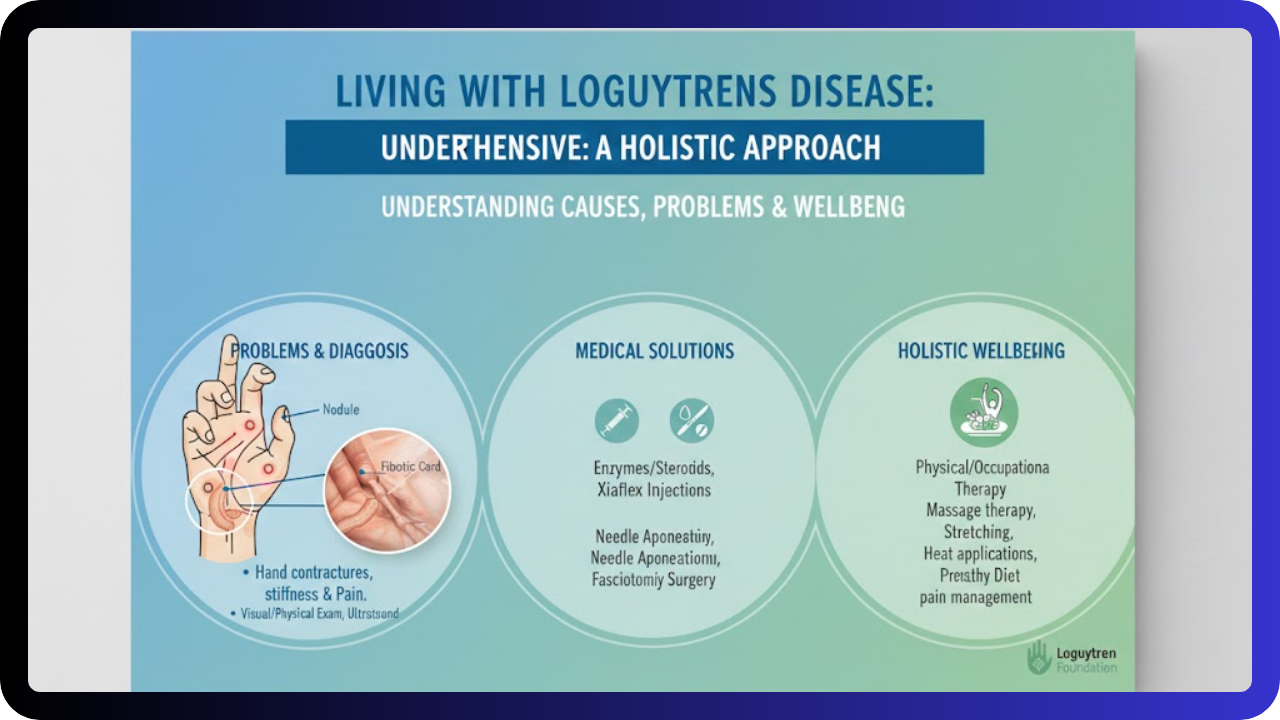
Loguytren problems, also known as Dupuytren’s contracture, are a condition that affects the connective tissue in the palm of the hand, causing thickening and tightening of the tissue over time. This tightening gradually pulls one or more fingers toward the palm, typically the ring and little fingers, which can significantly impact hand function. Daily activities such as writing, gripping tools, shaking hands, or performing household tasks may become increasingly difficult as the condition progresses. Understanding the causes, symptoms, and treatment options is critical for managing Loguytren problems effectively. By recognizing early signs and seeking timely intervention, individuals can slow the progression and maintain hand mobility, strength, and overall quality of life.
Who Is Affected by Loguytren Problems?
Loguytren problems most commonly affect adults over the age of 50, with men being more frequently impacted than women. Genetics plays a significant role in the likelihood of developing the condition, and individuals with a family history of Loguytren problems are at a higher risk. Certain medical conditions, such as diabetes and epilepsy, are associated with an increased chance of developing this condition, while lifestyle factors like smoking and excessive alcohol consumption may accelerate its progression. Although the condition progresses slowly in most cases, awareness and timely medical evaluation allow individuals to adopt preventive measures and treatment strategies to maintain hand function. Understanding who is at risk is the first step in early detection and effective management of Loguytren problems.
Causes of Loguytren Problems
How Fibrous Tissue Changes Occur
Loguytren problems develop when fibroblasts in the palm grow abnormally, creating thick, fibrous cords that tighten over time and gradually pull the fingers inward. The exact cause is not fully understood, but genetics appears to be the most significant factor, with family history increasing susceptibility. Certain medical conditions, including diabetes and seizure disorders, may contribute to the formation of these fibrous cords, while lifestyle factors such as smoking and alcohol use can worsen progression. As the tissue thickens, the affected fingers gradually lose their range of motion, making everyday tasks more difficult and limiting overall hand functionality. Recognizing these underlying causes is essential for understanding the condition and taking steps toward early intervention and management.
Symptoms of Loguytren Problems
Recognizing Early Signs
The earliest signs of Loguytren problems often include small, painless nodules or lumps in the palm, usually near the base of the fingers. Over time, these nodules develop into thicker fibrous cords that gradually pull the fingers inward toward the palm. The condition usually affects the ring and little fingers first, although other fingers may become involved as the condition progresses. Individuals may notice difficulty straightening fingers, gripping objects, or performing fine motor tasks. While pain is generally minimal, stiffness and restricted movement increase over time, significantly impacting daily activities and overall hand function. Early recognition of these symptoms is critical for implementing strategies to slow progression and maintain mobility.
Stages of Loguytren Problems
Progressive Finger Contracture
Loguytren problems develop in stages, beginning with small, localized nodules that may cause no functional issues. As the condition progresses, these nodules turn into fibrous cords that gradually bend the fingers toward the palm, resulting in limited hand mobility and reduced grip strength. In advanced stages, the affected fingers may become permanently contracted, making straightening them difficult or impossible without intervention. Severe contractures can significantly impact daily tasks and overall quality of life. Understanding the stages of Loguytren problems allows individuals and healthcare providers to plan appropriate treatment and rehabilitation strategies at the right time to maintain hand function.
Treatment Options for Loguytren Problems
Managing Progression and Function
The treatment of Loguytren problems depends on the severity and functional impact of the contracture. In early stages, non-surgical approaches such as hand exercises, stretching, and splinting may help maintain mobility and slow progression. Enzyme injections can break down thickened tissue, reducing finger bending in selected cases. Surgical procedures, including fasciotomy or fasciectomy, are reserved for severe contractures that significantly affect daily activities or hand function. Post-operative rehabilitation is essential to restore mobility, prevent recurrence, and strengthen the hand. Effective treatment can improve both the function and appearance of the hand, allowing individuals to maintain independence in everyday activities.
Self-Care Strategies
Supporting Hand Health at Home
Self-care plays a crucial role in managing Loguytren problems and maintaining hand function. Regular hand exercises and gentle stretching can preserve finger flexibility and slow the progression of contractures. Avoiding repetitive stress and adapting daily tasks to reduce strain on the affected fingers are also helpful strategies. Monitoring the fingers for changes in curvature or new nodules allows for early detection of progression and timely medical consultation. Incorporating these self-care practices alongside professional guidance enhances overall hand mobility, reduces stiffness, and improves quality of life for individuals living with Loguytren problems.
Diagnosis of Loguytren Problems
Clinical Assessment and Evaluation
Diagnosing Loguytren problems typically involves a detailed physical examination of the hand to assess finger movement, palpate nodules, and evaluate the degree of contracture. Family history and underlying medical conditions are also considered, as they can influence progression. In certain cases, imaging may be used to further understand the extent of tissue thickening and cord formation. Early diagnosis is crucial to implement interventions that slow progression, maintain function, and prevent severe contractures that could require surgical correction. Prompt recognition and evaluation empower individuals to take proactive steps in managing their condition.
Complications of Untreated Loguytren Problems
Long-Term Impact on Hand Function
If left untreated, Loguytren problems can lead to permanent finger contractures that severely restrict hand movement and function. Tasks such as gripping objects, writing, typing, and performing household chores may become increasingly difficult over time. Loss of dexterity and hand strength can affect professional performance, daily routines, and overall independence. Additionally, the functional limitations can lead to emotional stress, frustration, and decreased quality of life. Timely recognition, monitoring, and intervention are critical to preventing these long-term complications and maintaining optimal hand function.
Recovery and Rehabilitation
Restoring Hand Mobility
Recovery and rehabilitation are essential components of managing Loguytren problems, whether treatment is non-surgical or surgical. Post-treatment exercises and physical therapy help restore finger mobility, strengthen the hand, and prevent recurrence of contractures. Consistent stretching and hand exercises are recommended to maintain flexibility and overall hand function. Patients are encouraged to continue therapy and self-care practices beyond formal treatment to maximize results. Proper rehabilitation can significantly improve the functional outcome and long-term quality of life for individuals with Loguytren problems.
Prevention Strategies
Reducing Risk and Slowing Progression
Although genetics cannot be altered, certain strategies can help reduce the risk and slow the progression of Loguytren problems. Maintaining hand health through regular exercises, stretching, and ergonomic adjustments can minimize strain on the fingers. Avoiding repetitive stress and limiting lifestyle factors such as smoking and excessive alcohol consumption may also help slow tissue thickening. Early monitoring of finger nodules and curvature ensures timely medical intervention when needed. A proactive approach combining self-care and professional guidance supports long-term hand health and preserves mobility.
Living with Loguytren Problems
Adapting Daily Life
Living with Loguytren problems requires practical adaptations to maintain hand function and independence. Ergonomic tools and supportive devices can help reduce strain on affected fingers during daily activities. Maintaining regular hand exercises improves flexibility and reduces stiffness. Adjusting work tasks or hobbies may also be necessary to accommodate limited grip strength. By making these lifestyle adaptations, individuals can continue to perform daily tasks effectively while preserving hand function and quality of life.
Psychological Impact
Coping with Hand Limitations
Loguytren problems can have psychological effects due to reduced hand function and difficulty performing routine tasks. Frustration, anxiety, and emotional stress may arise from limitations in mobility and independence. Coping strategies, such as mindfulness, stress management, and seeking support from professionals or peer groups, can help individuals manage these challenges. Combining emotional support with physical treatment ensures a holistic approach to managing Loguytren problems and enhances overall well-being.
Impact on Daily Activities
How Functionality is Affected
Loguytren problems can significantly affect hand strength and fine motor skills, impacting everyday activities. Writing, typing, cooking, or holding objects may become more challenging as contractures progress. Early intervention through therapy, stretching, and adaptive strategies can help maintain hand functionality. Recognizing the effects on daily life encourages individuals to seek timely treatment and adopt adjustments that preserve independence. Awareness of these impacts is essential for long-term management and maintaining quality of life.
Long-Term Management
Maintaining Hand Health
Long-term management of Loguytren problems requires consistent care, including hand exercises, monitoring for new nodules, and regular check-ups. Preventive strategies, ergonomic adjustments, and self-care practices help reduce progression and preserve hand function. Patients are encouraged to maintain an active approach to therapy and adapt routines as needed to accommodate changes in hand mobility. With proactive management, individuals can minimize the need for repeated interventions and sustain independence in daily activities over time.
Treatment Outcomes
What to Expect from Care
The outcomes of treatment for Loguytren problems depend on the severity and type of intervention. Non-surgical methods may slow the progression but rarely reverse contractures completely. Surgical procedures often improve finger mobility and hand function, although rehabilitation is essential to maximize results. Understanding the expected outcomes helps patients set realistic recovery goals and prepare for post-treatment care. Effective treatment and rehabilitation ultimately support better long-term functionality and improved quality of life.
(FAQs)
1. What are Loguytren problems?
They are a condition where fibrous tissue in the palm thickens, causing fingers to bend toward the palm.
2. Who is at risk of Loguytren problems?
Adults over 50, especially men with a family history, are most at risk.
3. Can Loguytren problems be treated without surgery?
Yes, early stages can be managed with physical therapy, stretching, and splints.
4. Do Loguytren problems cause pain?
Most cases are painless, though stiffness and limited movement occur.
5. Is surgery always necessary for Loguytren problems?
Surgery is only needed for severe contractures that limit hand function.
Final Thoughts
Loguytren problems are a progressive condition that can significantly impact hand function and daily life if left untreated. Early recognition, timely treatment, and consistent self-care are critical to slowing progression and preserving mobility. A combination of non-surgical interventions, surgical options, rehabilitation, and lifestyle adjustments allows individuals to maintain hand strength, flexibility, and independence. Regular monitoring and proactive management are essential for achieving the best possible outcomes. By understanding Loguytren problems and implementing effective strategies, individuals can continue to perform daily activities effectively while maintaining overall quality of life.