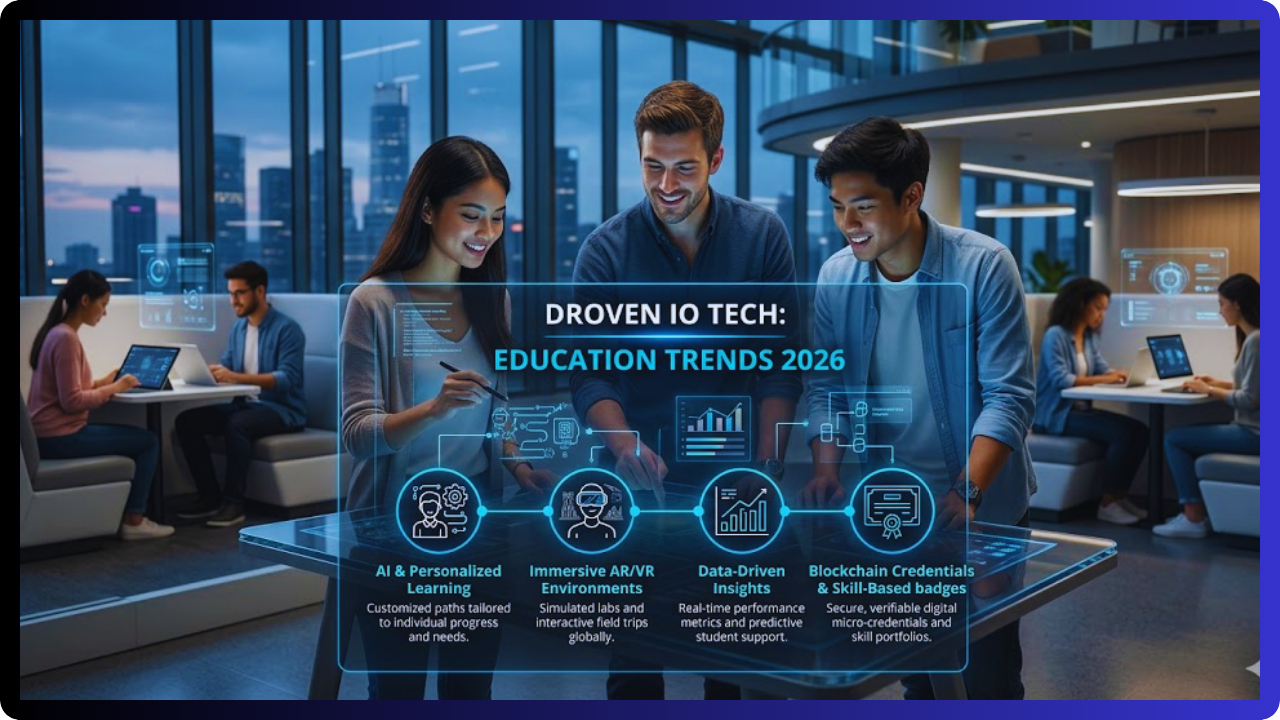

The concept of droven io tech education trends highlights the rapid transformation of modern education through advanced technologies. Learning is no longer limited to traditional classrooms, as digital platforms and smart systems are reshaping how knowledge is delivered. Students today expect flexible, engaging, and personalized experiences that align with real-world demands. This shift is driven by innovations in artificial intelligence, immersive tools, and data-based decision-making. As education evolves, institutions are adapting to meet the growing need for practical and career-focused learning. Understanding these changes is essential for anyone looking to stay competitive in the digital age. In addition, global connectivity is enabling students to access world-class education from anywhere. Digital tools are also reducing barriers related to cost and location. Learners are becoming more independent and self-directed in their studies. Educational content is now updated more frequently to match industry trends. This overall transformation is redefining the future of learning worldwide.
Who Is Droven IO and Why It Matters in Education
Droven IO represents a growing digital perspective that focuses on how technology influences modern education systems. It is not just a platform but a concept that reflects innovation in learning methods and digital transformation. The importance of droven io tech education trends lies in its ability to connect technology with practical education outcomes. It highlights how institutions and learners are adapting to a fast-changing world. By focusing on future-ready skills and advanced tools, this concept helps shape a more effective education system. Its relevance continues to grow as digital learning becomes a global standard. Furthermore, it emphasizes the importance of continuous learning in a competitive environment. It also supports the integration of technology into everyday educational practices. This concept encourages institutions to modernize their teaching approaches. Learners benefit from improved accessibility and engagement. Overall, it plays a vital role in shaping future education systems.
Artificial Intelligence Transforming Learning Systems
Personalized AI Learning Experiences
Artificial intelligence is a core element of droven io tech education trends 2026, making education more adaptive and efficient. AI-driven systems analyze individual learning patterns and adjust content accordingly. This ensures that students receive lessons suited to their pace and understanding level. Teachers benefit from automated tools that simplify grading and provide performance insights. Virtual assistants and AI tutors offer instant help, improving accessibility for learners. As a result, education becomes more personalized and impactful. Additionally, AI helps identify weak areas and suggests targeted improvements. It enhances learning speed by focusing on relevant content. Students gain confidence through continuous feedback. Institutions can improve outcomes using predictive analysis. This makes AI a powerful force in modern education.
Hybrid Learning and Digital Flexibility
Blended Education for Modern Learners
Hybrid learning is becoming a central feature of droven io tech education trends, combining online and offline education methods. This model allows students to access learning materials anytime while still benefiting from in-person interaction. It supports flexibility, making it easier to balance education with other responsibilities. Institutions are increasingly adopting this approach to expand their reach and improve accessibility. Digital platforms enhance collaboration and communication between students and teachers. This shift is redefining how education is structured globally. Moreover, hybrid systems provide better learning continuity during disruptions. Students can revisit recorded lessons for better understanding. Teachers can use digital tools to enhance classroom experiences. It also supports personalized study schedules. This flexibility makes hybrid learning highly effective.
Immersive Technologies Enhancing Education
Virtual and Augmented Reality in Learning
Immersive technologies are playing a major role in droven io tech education trends 2026, creating engaging and interactive learning experiences. Virtual reality and augmented reality allow students to explore complex concepts through simulations and visualizations. This approach improves understanding by providing real-world context. Subjects that require practical knowledge benefit greatly from these tools. Students can interact with digital environments that make learning more dynamic and memorable. As adoption increases, immersive learning is expected to become more common in education systems. In addition, these tools help reduce the gap between theory and practice. Students can safely experiment in virtual environments. It enhances creativity and innovation in learning. Teachers can deliver more impactful lessons using visuals. This makes immersive learning highly valuable.
Data-Driven Education and Smart Decision Making
Analytics Improving Learning Outcomes
Data analytics is an essential component of droven io tech education trends, helping institutions make better decisions. Educational systems collect and analyze data to understand student behavior and performance. This information allows teachers to identify learning gaps and adjust their teaching strategies. Institutions can also improve curriculum design based on insights gathered from data. The use of analytics ensures that education becomes more efficient and targeted. Over time, data-driven systems will continue to enhance the overall quality of learning. Furthermore, analytics helps track long-term student progress effectively. It supports better planning and resource allocation. Teachers gain deeper insights into classroom performance. Students receive more accurate feedback on their work. This leads to improved educational outcomes overall.
Gamification Boosting Student Engagement
Interactive Learning Through Game Elements
Gamification is an important part of droven io tech education trends, making education more engaging and enjoyable. By introducing interactive elements, students become more involved in their learning journey. This approach increases motivation and encourages active participation in lessons. It also helps develop critical thinking and problem-solving skills in a dynamic way. Learners respond positively to rewarding and competitive environments. Over time, gamification continues to improve both engagement and academic performance. Additionally, it makes learning less stressful and more enjoyable. Students are encouraged to achieve goals through rewards. It builds consistency in learning habits. Teachers can track progress more effectively. This approach transforms traditional education methods.
Skill-Based Learning for Career Growth
Practical Skills for the Future Workforce
Skill-based education is a key focus within droven io tech education trends 2026, aligning learning with industry needs. Students are now prioritizing practical knowledge that can be applied directly in their careers. Educational institutions are offering specialized programs that focus on real-world skills. This shift reflects the growing demand for job-ready professionals in the digital economy. Learners benefit from hands-on experience that improves their employability. As industries evolve, skill-based learning will remain essential. Moreover, this approach reduces the gap between education and employment. Students gain confidence through real-world applications. Employers prefer candidates with proven skills. It also supports faster career growth. This makes skill-based learning highly valuable.
Micro-Credentials and Flexible Certifications
Short Courses for Continuous Learning
Micro-credentials are gaining importance in droven io tech education trends, providing flexible learning opportunities. These programs allow students to acquire targeted skills in a short period of time. They are ideal for professionals who want to upgrade their knowledge without long-term commitments. This approach supports lifelong learning and adaptability in changing industries. Learners can build expertise step by step through focused certifications. The demand for micro-credentials is expected to grow significantly in the coming years. In addition, they offer cost-effective learning solutions. Students can quickly adapt to new technologies. It supports continuous professional development. Learning becomes more accessible for everyone. This trend is shaping the future of education.
Digital Classrooms and Smart Learning Environments
Modern classrooms are evolving into smart environments equipped with advanced digital tools. These spaces support interactive teaching methods and improve student engagement. Teachers can deliver lessons more effectively using digital boards and real-time collaboration tools. Students benefit from instant access to learning materials and resources. This transformation is a key part of droven io tech education trends, enhancing overall learning experiences. In addition, smart classrooms allow better tracking of student progress through digital systems. They create a more connected and responsive learning environment. Students can actively participate through interactive tools and applications. Teachers can adapt lessons instantly based on classroom responses. This innovation is shaping a more efficient and engaging educational system.
Cloud-Based Learning Platforms in Education
Cloud technology is enabling seamless access to educational content across multiple devices. Students and teachers can collaborate and share resources in real time without limitations. This approach reduces dependency on physical infrastructure and improves efficiency. It also ensures data security and easy content management. Cloud platforms are becoming essential in modern education systems. Furthermore, they support remote learning without interruptions. Educational institutions can store and update content easily. Students can access lessons from any location at any time. Teachers benefit from centralized systems for managing classes. This makes cloud-based learning highly reliable and scalable. In addition, cloud systems allow instant synchronization of learning materials. They also reduce operational costs for educational institutions.
Mobile Learning and Accessibility Growth
Mobile learning is expanding rapidly, allowing students to study anytime and anywhere. Smartphones and tablets provide easy access to educational apps and platforms. This flexibility supports continuous learning beyond traditional environments. It also helps bridge the gap for students in remote areas. Mobile technology is playing a vital role in expanding education access. Additionally, it enables quick learning through short and interactive content. Students can revise lessons on the go without restrictions. Educational apps are becoming more user-friendly and effective. This approach encourages consistent learning habits. Mobile learning is making education more inclusive and accessible. Moreover, it supports personalized learning experiences for each student. It also increases engagement through interactive mobile tools.
E-Learning Platforms Transforming Education
E-learning platforms are revolutionizing how education is delivered worldwide. They offer structured courses, interactive lessons, and flexible schedules. Students can learn at their own pace while accessing high-quality content. This method supports both academic and professional development. E-learning continues to grow as a preferred learning method. Moreover, it allows learners to choose subjects based on their interests. It reduces the cost of traditional education systems. Students can access global instructors and resources easily. Continuous updates keep the content relevant and useful. This makes e-learning a powerful educational solution. In addition, it supports lifelong learning for professionals. It also allows instant feedback and performance tracking.
Teacher Training and Digital Skill Development
Teachers are adapting to new technologies by improving their digital skills. Training programs help educators understand and use modern tools effectively. This ensures better teaching methods and improved student outcomes. Digital literacy is becoming essential for educators in modern systems. Continuous training supports long-term educational success. Additionally, it helps teachers stay updated with new trends. Educators can create more engaging and interactive lessons. It improves communication between teachers and students. Professional development enhances teaching confidence and efficiency. This results in a more effective learning environment. Furthermore, teachers gain access to global teaching resources. It also helps them integrate innovative tools into classrooms.
Global Collaboration in Digital Education
Digital platforms are enabling students and teachers to connect globally. This collaboration enhances knowledge sharing and cultural understanding. Learners can participate in international projects and discussions. It broadens perspectives and improves communication skills. Global connectivity is a major advantage of digital education. Furthermore, it allows students to learn from diverse viewpoints. It encourages teamwork across different cultures and regions. Teachers can share teaching strategies globally. This exchange of ideas improves educational quality. Global collaboration is shaping a more connected learning world. In addition, it prepares students for international career opportunities. It also builds strong global networks among learners.
Cybersecurity in Education Systems
As digital education grows, cybersecurity becomes increasingly important. Protecting student data and educational content is a top priority. Institutions are implementing advanced security measures to prevent breaches. Awareness of online safety is also being promoted among students. Secure systems ensure trust in digital education. In addition, regular updates help prevent cyber threats. Schools are investing in secure platforms and technologies. Students are being educated about safe online practices. Data protection policies are becoming stricter. This ensures a safe and reliable digital learning environment. Moreover, encryption technologies are improving system safety. Institutions are continuously monitoring digital threats.
Adaptive Learning Technologies in Classrooms
Adaptive learning systems adjust content based on student performance and needs. This approach improves understanding and learning efficiency. Students receive customized lessons that match their abilities. Teachers can monitor progress and provide targeted support. Adaptive technology is enhancing personalized education. Moreover, it helps students learn at their own pace comfortably. It reduces pressure by focusing on individual progress. Teachers can identify and support struggling students quickly. Learning becomes more efficient and goal-oriented. This technology is transforming traditional teaching methods. In addition, it increases student confidence through personalized feedback. It also improves long-term learning retention.
EdTech Innovations Driving Future Learning
Educational technology innovations are continuously shaping modern learning systems. New tools and platforms are making education more interactive and effective. These advancements support both students and educators in achieving better outcomes. Innovation remains a key driver in educational transformation. The future of education depends on continuous technological progress. Additionally, new solutions are improving accessibility worldwide. Digital tools are becoming more advanced and user-friendly. Institutions are investing heavily in modern technologies. This leads to improved learning experiences and outcomes. Innovation will continue to shape the future of education. Furthermore, EdTech is enabling smarter classrooms globally. It is also bridging gaps between traditional and modern learning.
Sustainable and Green Technology in Education
Sustainability is becoming an important focus in education systems worldwide. Digital tools reduce the need for paper and physical resources. Institutions are adopting eco-friendly technologies to minimize environmental impact. This approach supports responsible and sustainable learning practices. Green technology is shaping the future of education. Furthermore, it promotes awareness about environmental responsibility. Schools are implementing energy-efficient systems and tools. Students learn the importance of sustainability through practice. Digital learning reduces waste and carbon footprint. This creates a more eco-friendly education system. In addition, sustainability education is being integrated into curricula. It encourages students to adopt greener lifestyles in the future.
FAQs
What are droven io tech education trends?
They refer to modern education advancements driven by technology like AI and digital systems.
Why are these trends important in 2026?
They help learners gain future-ready skills and improve flexible learning systems.
How does AI improve education?
AI personalizes learning and improves efficiency through automation.
What is hybrid learning?
It combines online and offline education for better flexibility.
Are micro-credentials useful for careers?
Yes, they provide practical skills that improve job opportunities.
- You May Like this:Declan Welles Biography Life Career Education Full Details
Final Thoughts
The evolution of droven io tech education trends reflects a major shift in how education is delivered and experienced. Technology is making learning more personalized, flexible, and aligned with real-world demands. From artificial intelligence to immersive tools, every innovation is shaping a smarter education system. These advancements are not only improving learning outcomes but also preparing students for future careers. As the digital landscape continues to evolve, adapting to these trends will be essential. In addition, global connectivity is enabling students to access world-class education from anywhere. Digital tools are also reducing barriers related to cost and location. Learners are becoming more independent and self-directed in their studies. Educational content is now updated more frequently to match industry trends. This overall transformation is redefining the future of learning worldwide.