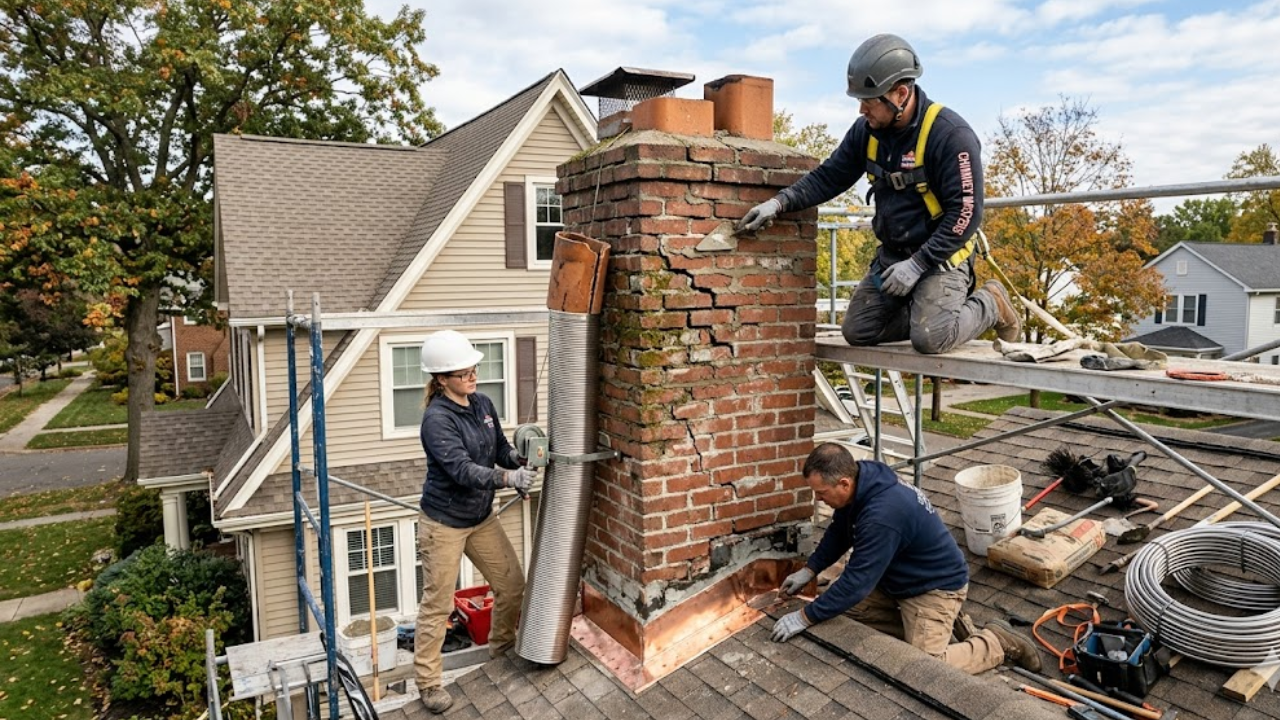

A well-maintained chimney plays a vital role in preserving both safety and comfort within a home. Structural damage, moisture intrusion, and aging materials can gradually weaken its integrity, leading to serious concerns if left untreated. Professional restoration ensures that these issues are addressed with precision and long-term reliability.
Experts approach chimney repair with a combination of technical assessment and proven techniques tailored to each structure. Skilled contractors evaluate damage carefully before selecting the most effective methods for restoration. This thoughtful approach helps maintain efficiency, safety, and the aesthetic appeal of residential properties.
Thorough Inspection and Damage Assessment
A detailed inspection serves as the foundation of any successful restoration project. Professionals examine the chimney’s exterior, interior flue, and surrounding components to identify cracks, blockages, or water damage. Advanced tools such as cameras and moisture meters allow accurate detection of hidden issues. Clear documentation of damage guides the repair strategy and prevents unnecessary work. Each finding contributes to a tailored plan that addresses both visible and underlying concerns.
Masonry Repair Techniques for Structural Stability
Masonry forms the backbone of most residential chimneys, making its condition critical for durability. Skilled technicians repair damaged bricks, mortar joints, and stonework to restore strength and stability. Careful matching of materials preserves the original appearance of the structure.
Tuckpointing remains a widely used method to replace deteriorated mortar. Fresh mortar improves bonding between bricks and prevents further weakening. Consistent craftsmanship ensures that repaired sections blend seamlessly with existing masonry.
The Waterproofing Solutions to Prevent Moisture Damage
Water infiltration stands as a leading cause of chimney deterioration. Professionals apply specialized waterproof coatings that create a protective barrier against rain and humidity. These coatings allow moisture inside the masonry to escape while blocking external water.
Preventive measures extend the lifespan of the chimney and reduce the likelihood of recurring damage. Proper sealing also protects adjacent areas such as roofs and ceilings from water-related issues. This approach reinforces the chimney’s resistance against environmental stress.
Flue Liner Repair and Replacement Methods
The flue liner plays a key role in directing smoke and gases safely out of the home. Damage to this component can lead to inefficiency and potential hazards. Professionals assess liner condition and determine if repair or replacement is required. Experts offer:
- Installation of stainless steel liners for improved durability and heat resistance.
- Application of cast-in-place liners to reinforce existing structures.
- Repair of minor cracks using heat-resistant sealants.
Chimney Crown and Cap Restoration Practices
The chimney crown and cap protect the structure from debris, animals, and water entry. Damage in these areas can accelerate deterioration if left unaddressed. Restoration focuses on sealing cracks and replacing worn components with durable materials. Professionals provide:
- Repair of crown cracks using flexible, weather-resistant compounds.
- Installation of chimney caps to block debris and prevent animal entry.
- Reinforcement of crown surfaces to improve drainage and durability.
Attention to these protective elements ensures long-term performance and reduces maintenance needs. Effective chimney repair at this stage supports the overall health of the structure.
Smoke Chamber and Ventilation Improvements
A properly shaped smoke chamber improves airflow and enhances fireplace efficiency. Professionals smooth uneven surfaces and correct structural flaws to optimize draft performance. Specialized coatings create a streamlined path for smoke movement.
Ventilation improvements reduce the buildup of harmful gases and enhance indoor air quality. Adjustments in this area contribute to safer operation and better energy efficiency. Consistent airflow also prevents soot accumulation.
Thus, professional chimney restoration combines careful inspection with targeted repair techniques. Each method contributes to safety, durability, and performance. Reliable maintenance ensures that residential chimneys remain functional and secure for years to come.